Technology and Climate Change: Tools for a Greener Planet

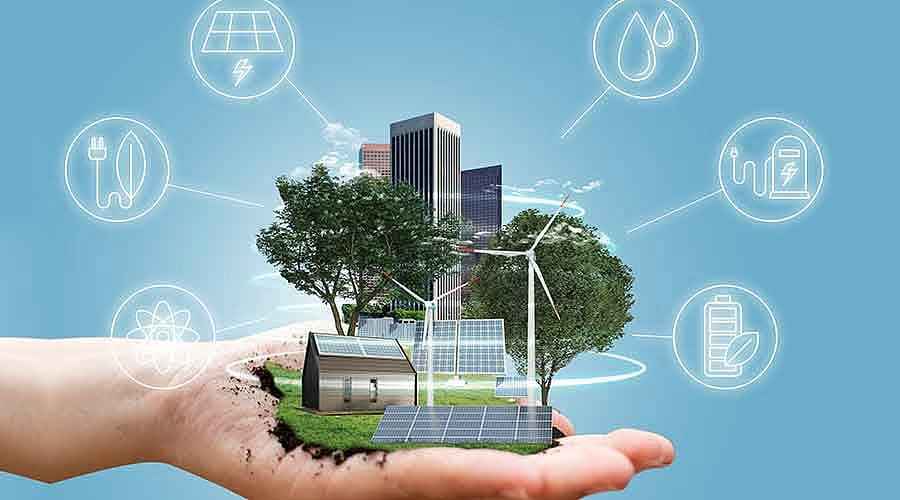
The intersection of technology and climate change presents both challenges and opportunities. Innovations in renewable energy, smart agriculture, and sustainable practices are reshaping approaches to environmental stewardship. These advancements promise not only to mitigate emissions but also to enhance resilience against climate impacts. However, the true potential of these technologies remains to be fully realized. What are the specific tools making the most significant difference, and how can they be effectively implemented?
Renewable Energy Innovations
As the world grapples with the urgent challenges posed by climate change, renewable energy innovations have emerged as pivotal solutions that promise to reshape the global energy landscape.
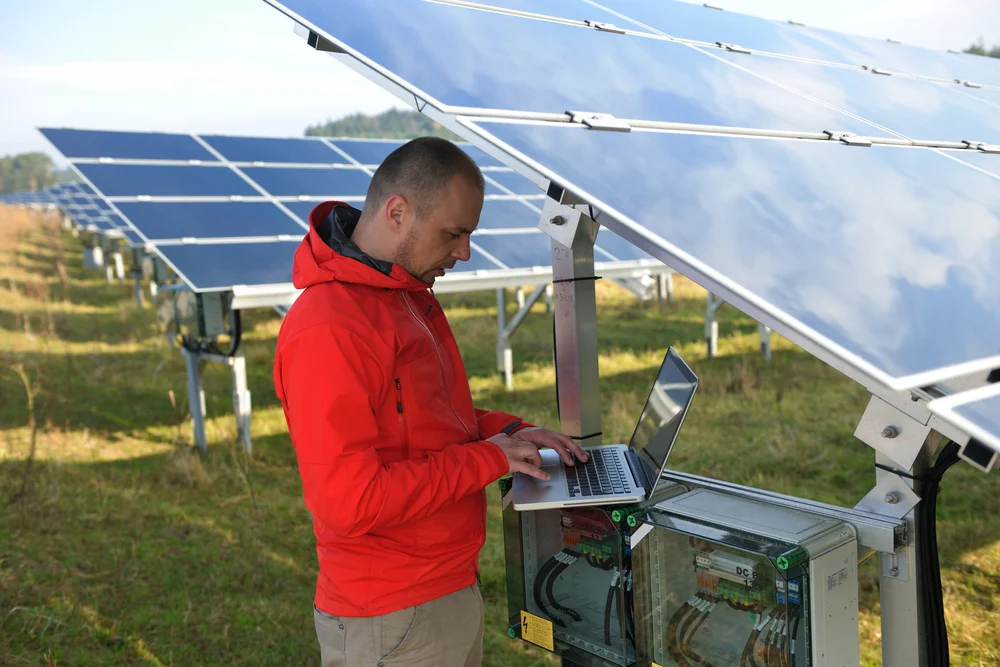
Solar power harnesses sunlight for clean electricity, while wind energy captures the natural forces of air movement.
Together, these technologies not only reduce greenhouse gas emissions but also empower communities by fostering energy independence and sustainability.
See also: How Technology Is Revolutionizing Healthcare
Smart Agriculture Technologies
Innovations in renewable energy not only address electricity generation but also extend into agriculture, where smart technologies are transforming traditional farming practices.
Precision farming utilizes data analytics and IoT devices to optimize resource use, enhancing crop yields while minimizing environmental impact.
Meanwhile, vertical farming reimagines food production in urban settings, maximizing space and reducing transportation emissions, ultimately contributing to a more sustainable agricultural future.
Sustainable Materials and Manufacturing
While the urgency of climate change necessitates a reevaluation of material consumption and production processes, the adoption of sustainable materials and manufacturing practices is gaining momentum across various industries.
Innovations such as biodegradable plastics and eco-friendly textiles exemplify this shift, offering alternatives that reduce environmental impact.
These developments not only address ecological concerns but also empower consumers to make conscious choices for a sustainable future.
Data and AI in Climate Solutions
Recognizing the critical role of technology in combating climate change, data and artificial intelligence (AI) are increasingly being harnessed to develop innovative solutions.
Through climate modeling and predictive analytics, researchers can simulate scenarios and forecast impacts, enabling proactive measures.
This integration empowers decision-makers to optimize resource allocation and strategize effectively, fostering a more sustainable future where technology and environmental stewardship coexist harmoniously.
Conclusion
As the sun rises on a new era of environmental consciousness, technology stands as a beacon of hope in the fight against climate change. Through renewable energy, smart agriculture, and data-driven solutions, humanity is equipped with the tools to cultivate a sustainable future. By weaving innovation into the fabric of ecological stewardship, we can transform challenges into opportunities, ultimately nurturing a planet that thrives for generations to come. The journey towards a greener world begins with our collective commitment to these advancements.