How Technology Is Supporting Environmental Conservation

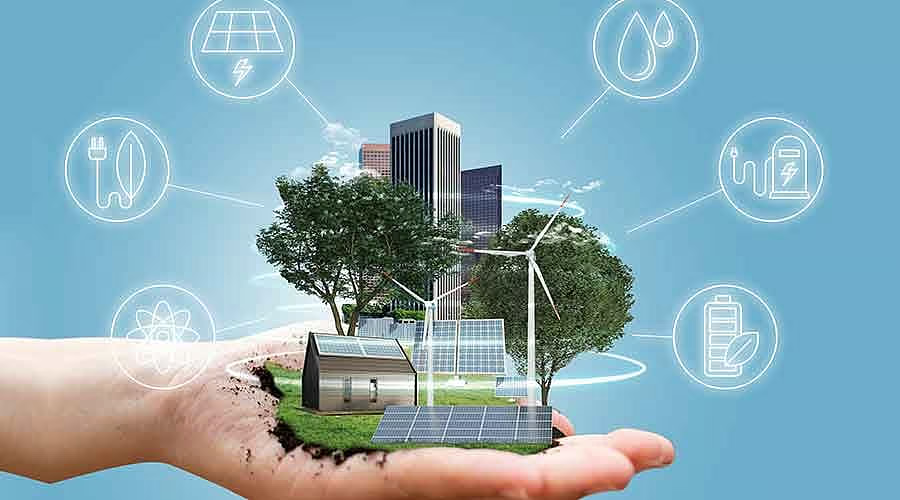
Technology significantly influences environmental conservation efforts. Advanced tools, such as GPS collars and remote cameras, enhance wildlife monitoring and understanding. Data analytics offers new avenues for predicting ecological trends and implementing proactive measures. Additionally, sustainable materials and renewable energy solutions pave the way for reduced environmental impact. These innovations are reshaping conservation strategies, but the real question remains: how can these technologies be further leveraged to ensure a sustainable future?
Monitoring Wildlife Populations With Advanced Technology
As the urgency of conservation efforts intensifies, wildlife biologists increasingly turn to advanced technology to monitor animal populations more effectively.
Innovative wildlife tracking methods, such as GPS collars and remote cameras, enhance data collection. These tools facilitate accurate population modeling, allowing researchers to understand species dynamics and make informed conservation decisions.
Technology empowers biologists, ensuring wildlife protection and promoting ecological balance in a rapidly changing world.
See also: How Technology Is Revolutionizing Healthcare
Sustainable Materials and Their Impact on Conservation
Sustainable materials play a crucial role in the broader context of environmental conservation, offering innovative solutions to reduce ecological footprints.
Biodegradable alternatives and eco-friendly packaging significantly minimize waste and pollution, fostering a healthier planet.
Utilizing Data Analytics for Environmental Protection
While traditional methods of environmental protection often rely on direct observation and manual intervention, the integration of data analytics has transformed how organizations approach ecological challenges.
By employing data visualization techniques, stakeholders can quickly interpret complex datasets, while predictive modeling enables proactive strategies to mitigate environmental issues.
This analytical approach empowers conservation efforts, fostering a more informed and effective response to urgent ecological concerns.
Innovative Solutions for Renewable Energy and Resource Management
How can innovative approaches to renewable energy and resource management reshape the future of environmental stewardship?
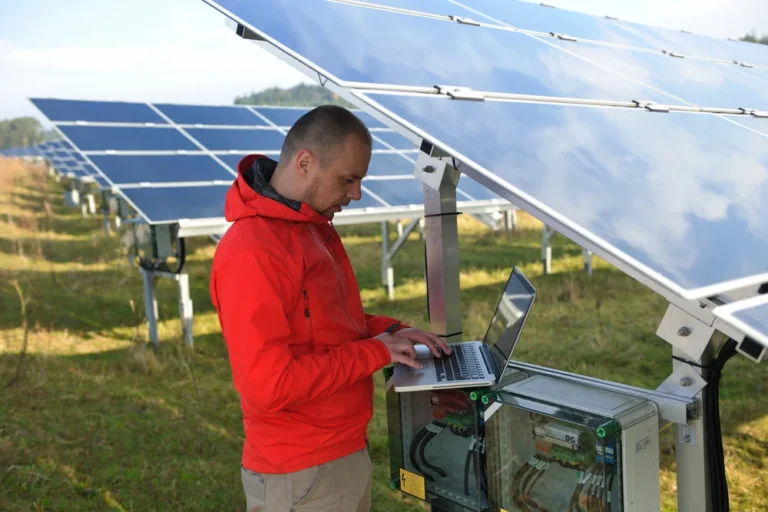
Solar advancements are revolutionizing energy production, while cutting-edge energy storage solutions enhance efficiency and reliability.
These technologies empower communities to harness clean energy, reduce dependency on fossil fuels, and promote sustainable practices.
Ultimately, embracing these innovations fosters a resilient ecosystem, ensuring freedom from environmental degradation for future generations.
Conclusion
In conclusion, technology serves as a vital ally in the quest for environmental conservation, akin to a lighthouse guiding ships safely to shore. With advanced monitoring tools, sustainable materials, and data-driven insights, it empowers conservationists to make informed decisions and implement effective strategies. As humanity navigates the complexities of ecological challenges, embracing these technological innovations will be crucial for fostering a sustainable future, ensuring that both nature and society can thrive harmoniously.