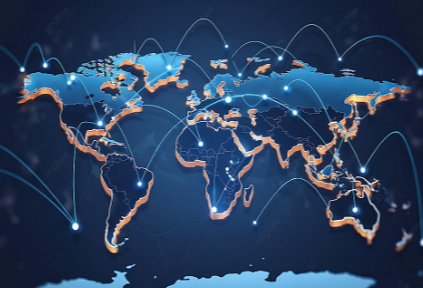
How Global Networks Move Data

Global networks are vital for data movement across vast distances. They utilize packet switching and fiber optic technologies to achieve high-speed connectivity. Standardized protocols ensure interoperability among diverse systems, facilitating seamless communication. However, challenges such as network congestion and bandwidth limitations can impede efficiency. Understanding these dynamics is essential for grasping the complexities of data transfer. What solutions exist to mitigate these issues and enhance network performance?
Understanding Global Networks: Why They Matter
How do global networks facilitate the seamless transfer of data across vast distances? These networks rely on robust network infrastructure, enabling efficient communication between diverse systems.
However, data sovereignty emerges as a critical concern, as countries impose regulations affecting data flow. Understanding these dynamics is essential for navigating the balance between operational efficiency and the protection of individual rights in a globalized digital landscape.
How Data Is Transmitted: Key Technologies
The transmission of data across global networks is underpinned by a variety of key technologies that ensure efficient and reliable communication.
Packet switching optimizes data flow, while fiber optics provide high-speed connectivity.
Data encryption safeguards information integrity, and standardized network protocols facilitate interoperability among diverse systems.
Together, these technologies empower the seamless exchange of information, promoting freedom in global communication.
Read Also: How Technology Is Revolutionizing Healthcare
What Slows Down Data Transfer?
Numerous factors can impede data transfer rates across networks, significantly affecting overall performance.
Network congestion often arises from excessive traffic, leading to increased latency issues.
Bandwidth limitations restrict the volume of data transmitted simultaneously, while signal interference can further degrade quality.
These elements collectively hinder efficient communication, underscoring the importance of addressing them to enhance the freedom and speed of data exchange within global networks.
Emerging Trends in Global Networks
As organizations increasingly rely on digital infrastructure, emerging trends in global networks are reshaping data transfer methodologies. Notable advancements include edge computing, which enhances processing efficiency by decentralizing data handling.
Improved network security protocols address vulnerabilities, while data sovereignty regulations enforce compliance across jurisdictions. Additionally, dynamic bandwidth allocation optimizes resource usage, ensuring seamless connectivity and enhancing user experience in an increasingly interconnected world.
Conclusion
In the grand circus of global networks, packets pirouette through a dizzying array of fiber optic tightropes, while protocols perform their synchronized dance of interoperability. Yet, as congestion clogs the spotlight and bandwidth wears clown shoes, the audience—us mere mortals—watches, bemused, as latency steals the show. Despite the technological acrobatics, the quest for seamless data transfer remains a juggling act, teetering on the edge of innovation and frustration, reminding us that progress is as unpredictable as a juggler’s next toss.